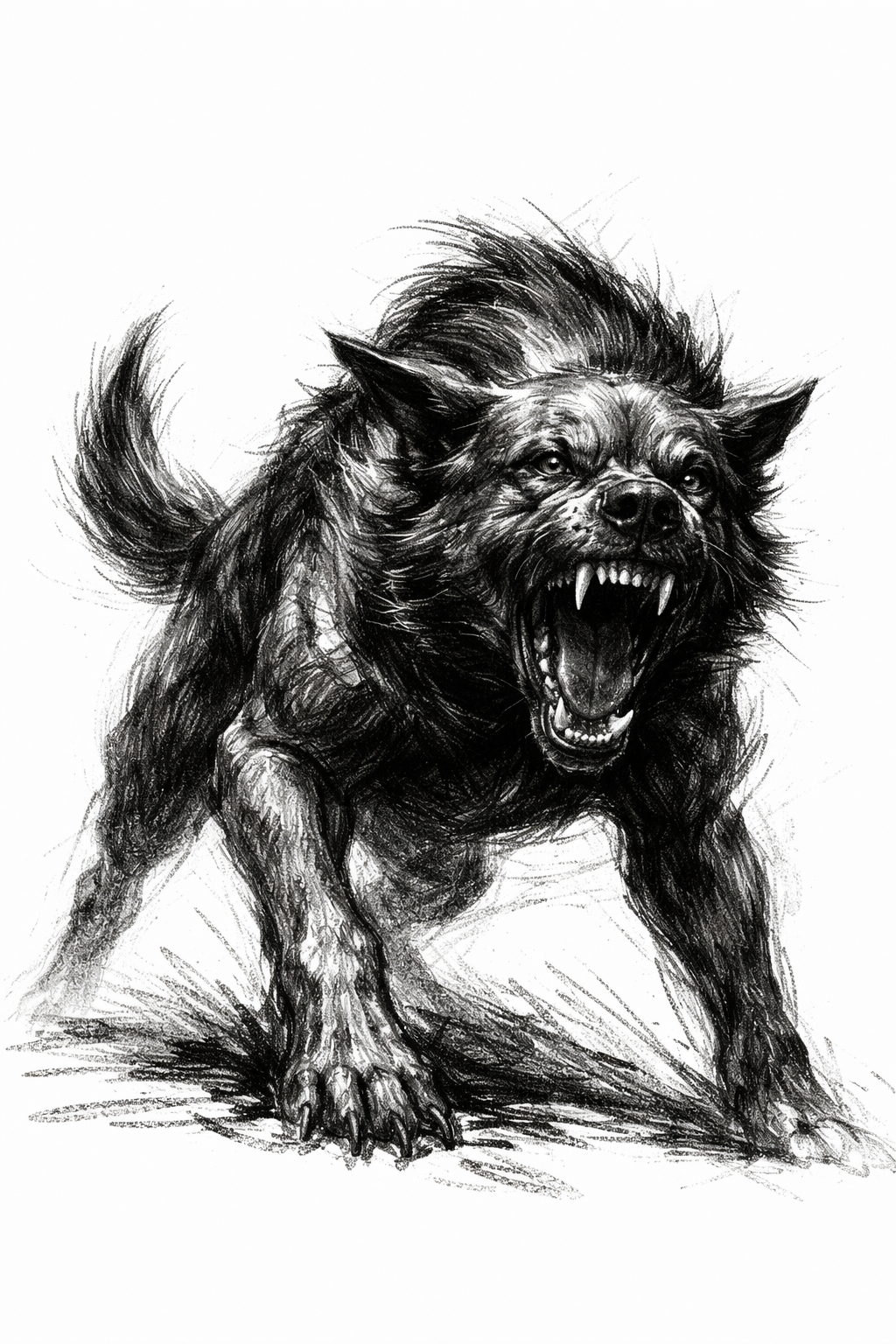
In Iron Age Ireland, a seven-year-old boy named Sétanta finds a bronze bracer in a collapsed cairn. It is warm to the touch, and it fits his wrist as though it was made for him. It was not made for him. It was not made for anyone. The thing that lives in the bronze is older than language, older than iron, older than the people who will one day call this island home. It has worn many hosts. Most of them burned bright and brief. It cannot warn him. It has never been able to warn any of them.
Trained by warriors and druids, bound by sacred oaths he barely understands, the boy becomes Cú Chulainn — the Hound of Ulster, the greatest champion his people have ever known. But greatness has a price, and the price is paid in blood and grief and the slow erosion of everything that makes a weapon into a man. The oaths that define him become the architecture of his destruction, and the ancient intelligence watching from the shadows has been building toward this moment for longer than he has been alive.
The Hound is a retelling of Ireland’s greatest myth — the tragedy of Cú Chulainn — through the lens of an alien consciousness that has spent ten thousand years bonded to human hosts and has never once been able to speak. It is a story about honour, identity, and the question of what remains when everything that made you who you are has been stripped away.